
Wasting hours on unqualified leads leaves many Dubai agents frustrated as serious buyers slip through the cracks. In a market this competitive, separating high-potential prospects from casual browsers is the difference between steady client growth and missed sales. Here, you will uncover how AI-driven lead qualification systems and personalized engagement approaches help you focus on buyers ready to act, while building trust and supporting each stage of the client journey.
Table of Contents
- Step 1: Prepare Effective Lead Qualification Systems
- Step 2: Engage Leads With Personalized Communication
- Step 3: Nurture Relationships To Build Trust
- Step 4: Verify Conversion Readiness And Close Deals
Quick Summary
| Key Message | Explanation |
|---|---|
| 1. Define Qualified Leads | Establish specific criteria for qualified leads, including financing and property requirements to streamline focus on serious buyers. |
| 2. Implement Lead Scoring | Create a point-based system for lead interactions to identify levels of interest for effective prioritization and follow-up. |
| 3. Personalize Communication | Tailor messages based on individual lead data to enhance engagement and build rapport, leading to increased trust. |
| 4. Nurture Relationships Continuously | Maintain consistent communication with leads through valuable content, which fosters trust and keeps you top-of-mind. |
| 5. Verify Readiness Before Closing | Use a checklist to confirm financing, decision timelines, and authority, reducing the risk of failed transactions due to unprepared leads. |
Step 1: Prepare effective lead qualification systems
A solid lead qualification system separates serious buyers from time-wasters. This step determines which leads deserve your immediate attention and which ones need nurturing over time. You'll build a framework that automatically sorts leads based on their readiness to purchase.
Start by defining what a qualified lead looks like for your real estate business. In Dubai's market, this might mean buyers with pre-approval letters, clear timelines, and specific property requirements. Document these criteria clearly so everyone on your team uses the same standards.
Create a scoring system that assigns points to different lead behaviors. A lead who completes a property inquiry form gets points. A lead who books a viewing gets more points. Someone who asks about financing options gets additional points. This accumulation helps you identify who's genuinely interested versus casually browsing.
Integrate AI-driven lead qualification systems that automatically filter and score leads without manual effort. These tools can increase qualification rates by up to 451% by analyzing buyer intent signals and property preferences instantly. Your team gains time to focus on actual conversations with serious prospects.
Key elements to include in your qualification system:
- Lead source tracking (where they came from matters)
- Response time measurement (how quickly they engage)
- Property type preferences (what they're actually searching for)
- Budget confirmation (pre-qualified financial capacity)
- Timeline clarity (immediate need versus future planning)
Set up your CRM to automatically flag leads that meet your qualification thresholds. When someone hits your criteria, the system alerts your sales team immediately. Speed matters enormously in real estate—the first agent to respond often wins the deal.
Your qualification system must balance automation with human judgment. Let technology handle the initial filtering, but reserve your expertise for actual conversations.
Pro tip: Test your qualification criteria with your top 20 closed deals from the past year. Reverse-engineer what they had in common, then adjust your system to identify future leads with those same characteristics.
Step 2: Engage leads with personalized communication
Generic messages don't convert leads into clients. Personalized communication makes each prospect feel valued and understood, which builds trust and accelerates the buying journey. This step teaches you how to craft messages that speak directly to individual lead needs.
Start by segmenting your leads based on information you've already collected. Group them by property type interest, budget range, timeline, and neighborhood preferences. Someone looking for a studio apartment in Downtown Dubai needs completely different messaging than someone seeking a villa in Arabian Ranches. Your communication should reflect these distinctions.
Pull specific details from each lead's browsing history and inquiry data. If they viewed three luxury waterfront properties, mention waterfront opportunities in your message. If they asked about schools, acknowledge family considerations. This specificity signals that you've actually read their inquiry, not sent a template.

Use personalized digital marketing strategies that deliver customized content through the channels where leads spend time. Text messages, email, and WhatsApp all work, but personalization matters more than channel choice. Tailor your message content to their stated preferences and timeline.
Practical personalization approaches:
- Reference the specific property they viewed in your first message
- Mention neighborhood features relevant to their stated needs
- Include price ranges matching their budget parameters
- Address them by name, not "Dear Lead"
- Share content addressing their particular situation
Timing also matters enormously. Reply to leads within two hours of their inquiry. The first agent to reach out usually wins the conversation. Use your CRM to automate initial contact while keeping the message personal.
Personalized communication isn't about being creepy with details. It's about showing you listened to what they actually want and you're solving their real problems.
Pro tip: Create three standard response templates for your most common lead types (first-time buyers, investors, relocating families), then customize each one with specific property names and neighborhood details before sending.
Step 3: Nurture relationships to build trust
Trust determines whether a lead becomes a client or walks away. Building trust takes time and consistent effort, but it's the foundation of every successful real estate transaction. This step shows you how to nurture relationships so prospects feel confident choosing you.
Start with transparency in all communications. Share accurate information about properties, neighborhoods, and market conditions, even when it might cost you a sale. If a property has issues, mention them upfront. If the market is cooling, say so. Honesty builds credibility faster than any sales pitch.
Maintain regular contact without being pushy. Check in every week or two with relevant market updates, new listings matching their criteria, or neighborhood insights. These touchpoints keep you top of mind while showing you're thinking about their needs.
Building long-term client relationships requires consistent value delivery beyond just showing properties. Share articles about investment trends, school ratings in neighborhoods they're considering, or community events. Provide information that helps them make decisions, not just information that pushes them toward buying.
Key trust-building actions:
- Follow through on every promise, no matter how small
- Respond to messages within business hours consistently
- Admit when you don't know something rather than guessing
- Share client testimonials and success stories relevant to their situation
- Involve them in the process by asking for their feedback
Schedule periodic check-ins even after initial interest cools. A lead who wasn't ready three months ago might be ready today. Staying connected means you're the first person they contact when circumstances change.
Trust isn't built through one perfect interaction. It's built through dozens of small, consistent actions that prove you actually care about solving their problem.
Pro tip: Create a simple drip email sequence that shares five pieces of valuable content over thirty days—market reports, neighborhood guides, financing tips—sent without asking for anything in return.
Step 4: Verify conversion readiness and close deals
Not every qualified lead is ready to buy today. Verifying conversion readiness separates prospects who are genuinely prepared to move forward from those still in exploration mode. This step ensures you're investing closing energy where it matters most.
Ask direct questions to gauge readiness. Can they access financing? Do they have a realistic timeline? Are they ready to make a decision this month or next? Their answers reveal whether they're genuinely conversion-ready or still gathering information.
Check for financial preparation. Request proof of funds or pre-approval letters if substantial money is involved. In Dubai's market, this is standard practice and shows serious intent. A lead without financing arranged usually isn't ready to close quickly.
Clarify decision-making authority. Are they the sole decision maker or do they need spousal approval? Are they consulting with family members abroad? Understanding who influences the decision helps you know whether you're speaking to the right person or if you need to involve others in conversations.
Deal readiness requires organized documentation and streamlined processes that reduce delays and errors. Prepare all necessary paperwork in advance, coordinate with legal teams, and verify document completeness before presenting offers. This preparation accelerates closing timelines significantly.
Verification checklist before attempting closing:
- Financial capability confirmed or pre-approval obtained
- Decision timeline clearly stated and realistic
- All decision makers identified and engaged
- Property details reviewed and questions answered
- Documentation requirements explained
- Next steps outlined explicitly
Once you've confirmed readiness, move to closing with confidence. Present the offer formally, explain terms clearly, and guide them through signatures. Speed matters here. A ready buyer who experiences delays might lose interest.
The worst closing failures happen when agents try closing leads who were never actually ready. Verification saves time and protects your conversion rate.
Pro tip: Create a simple readiness checklist in your CRM that flags whether leads have confirmed financing, timelines, and decision authority—use this data to prioritize your closing efforts on genuinely ready prospects.
Below is a summary of common challenges and the best solutions at each real estate sales funnel stage:
| Funnel Stage | Typical Challenge | Optimal Solution |
|---|---|---|
| Lead Qualification | Wasting time on weak leads | Automated scoring criteria |
| Engagement | Low response rates | Personalized follow-up |
| Trust-Building | Hesitant prospects | Consistent value sharing |
| Closing | Delayed decisions | Readiness pre-checks |
Here's how lead qualification and engagement methods differ in effectiveness and focus:
| Method | Main Benefit | Typical Tool Used | Impact on Conversion Rate |
|---|---|---|---|
| Lead Scoring Systems | Sorts serious buyers | CRM scoring or AI platform | Shortens follow-up time |
| Personalized Communication | Builds trust and rapport | Automated messaging tools | Increases response likelihood |
| Regular Relationship Nurture | Maintains top-of-mind | Email drip campaigns | Boosts long-term retention |
| Conversion Readiness Verification | Avoids wasted effort | Document checklist in CRM | Improves close rates |
Transform Your Real Estate Leads into Loyal Clients Today
Converting leads into clients remains one of the toughest challenges in Dubai's competitive real estate market. The article highlights issues like wasting time on weak leads, low engagement, and delayed closings that slow your growth. If you struggle to implement effective lead qualification systems, personalize communication genuinely, or verify conversion readiness efficiently, you are not alone. Imagine having an expert performance marketing partner who specializes in real estate lead generation to automate scoring, boost personalized outreach, and accelerate deal closings on your behalf.
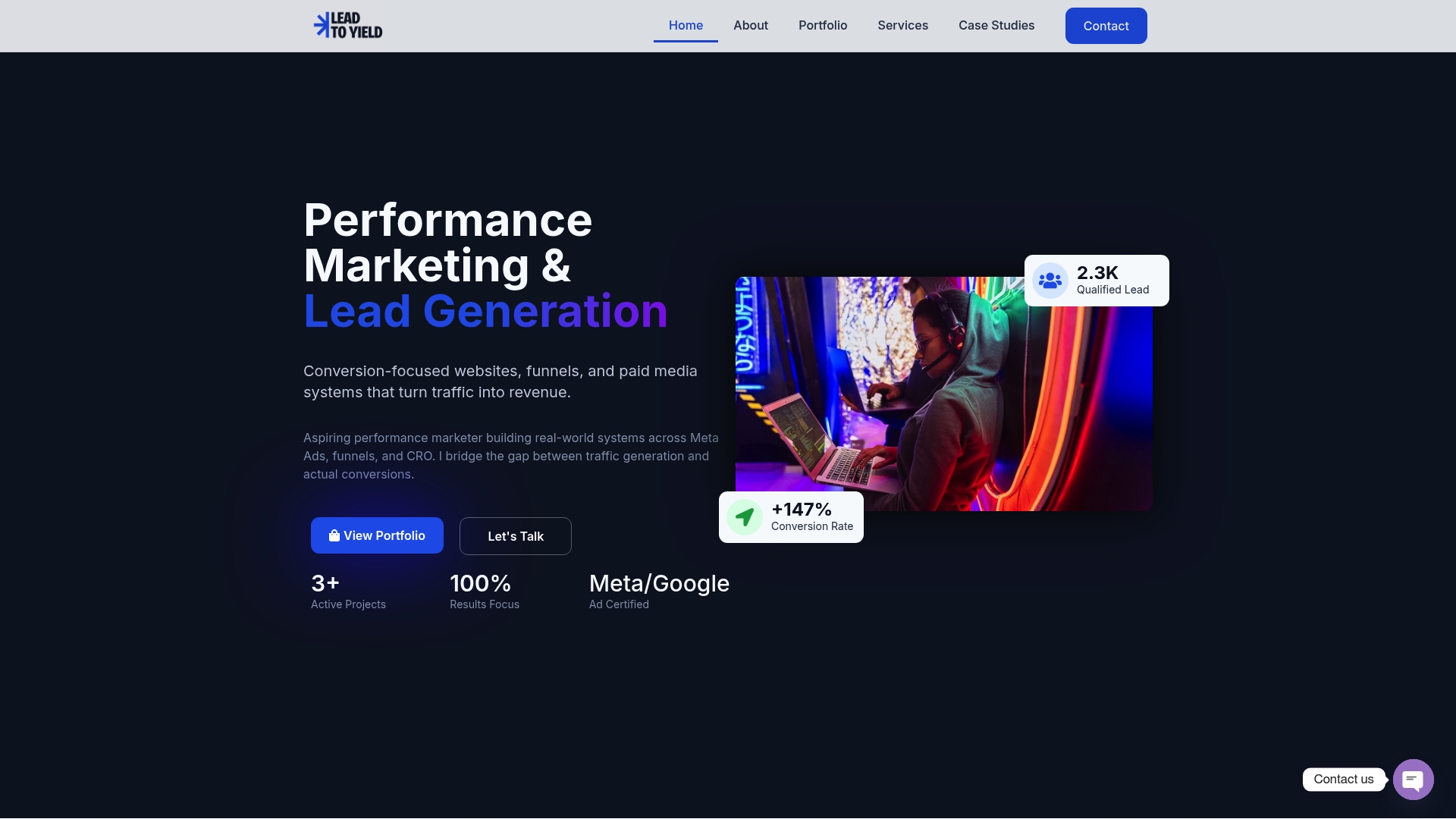
Unlock unparalleled real estate lead conversion with Lead to Yield. Our tailored strategies empower you to focus on serious buyers by combining proven lead qualification frameworks with personalized engagement tactics. Don't let valuable prospects slip away because of slow responses or generic messages. Visit Lead to Yield's homepage now and discover how we help real estate agencies and developers in Dubai convert more leads faster. Take control of your sales funnel by partnering with experts who understand your market and deliver measurable results.
Frequently Asked Questions
How do I identify qualified leads in real estate?
To identify qualified leads, define specific criteria such as financial capacity, property preferences, and timeline. Create a scoring system that assigns points based on lead behaviors, such as filling out inquiry forms or booking viewings, to differentiate serious buyers from casual browsers.
What is the best way to engage leads in real estate?
The best way to engage leads is through personalized communication that reflects their unique interests and needs. Segment your leads based on property type, budget, and preferences, and tailor your messages accordingly to build rapport and increase engagement rates.
How can I build trust with potential real estate clients?
Building trust with potential clients involves maintaining transparency and regular communication. Share accurate property information, provide consistent updates, and follow through on promises to demonstrate your commitment to serving their needs.
What steps should I take to verify a lead's readiness to close?
To verify a lead's readiness to close, ask direct questions about their financing options, decision-making authority, and timelines. Prepare a checklist to ensure all critical documentation and requirements are met before moving forward with the closing process.
How can I improve my conversion rates with leads?
Improving conversion rates involves implementing a combination of lead qualification, personalized engagement, and regular nurturing. Focus on automating the qualification process to save time, while consistently checking in with value-driven content to keep leads engaged and informed.
What are common challenges in converting leads to clients?
Common challenges include wasting time on unqualified leads, low engagement rates, and delays in the decision-making process. Implement automated scoring systems to prioritize serious leads, and maintain regular communication to help address hesitations and build trust.